
9 Critical Steps for Successful IPv6 Planning and Implementation
Deploying IPv6 requires deep planning and precise execution. It is a massive project that cannot be completed overnight.
Here is a 9-step checklist to guide your organization through a smooth transition.
1. Secure Leadership Buy-In
• Top management must fully understand the business benefits.
• Executive support ensures project alignment across the company.
2. Plan a Long-Term Budget
• Financial planning must cover multiple fiscal years.
• Allocate funds for hidden costs like licensing and emergency support.
3. Audit Hardware Infrastructure
• Evaluate all routers, switches, and firewalls in your current network.
• Confirm which devices fully support IPv6 natively.
4. Check Software and Endpoints
• Audit endpoint operating systems on employee desktops and laptops.
• Verify that critical third-party applications are compatible with IPv6.
5. Train Your IT Staff
• Provide specialized training to your network and systems engineers.
• Proper education ensures fast troubleshooting during deployment.
6. Coordinate with External Providers
• Reach out to your regional Internet Service Providers (ISPs).
• Align schedules with telecom companies to ensure external routing works.
7. Manage Internal Stakeholders
• Identify internal departments that will be impacted by potential downtime.
• Secure support from revenue-generating teams who may fund the project.
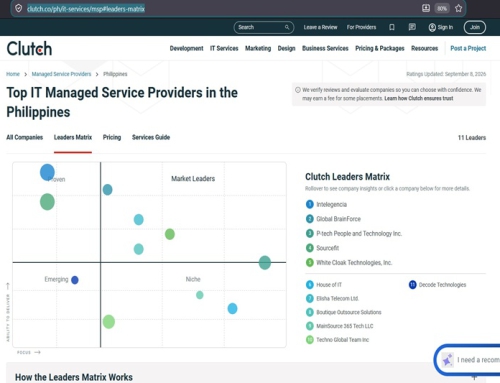
8. Consult the IT Community or IT Experts (P-tech People and Technology Inc.)
• Connect with peers who have already completed IPv6 migrations.
• Gather valuable advice, pitfalls to avoid, and real-world insights.
9. Prioritize Team Well-Being
• Ensure your deployment team gets adequate sleep and rest.
• Physical and mental health are critical for executing complex migrations.