SDN (Software-Defined Networking)
Modernizing Connectivity: Why Software-Defined Networking (SDN) is the Future of Enterprise IT
The rapid emergence of Software-Defined Networking (SDN) has fundamentally transformed the telecommunications and enterprise networking landscape.
Recognizing this seismic shift, global networking giants and major telcos are actively overhauling their hardware catalogs, developing proprietary SDN platforms, and acquiring specialized SDN providers to stay relevant. For modern enterprises, SDN is no longer an experimental architecture—it is an operational necessity.
________________________________________
The Power of Centralized Control and Vendor Independence
Historically, scaling an enterprise network required managing individual switches, routers, and firewalls on a box-by-box basis using proprietary command-line interfaces. SDN solves this complexity through two foundational principles:
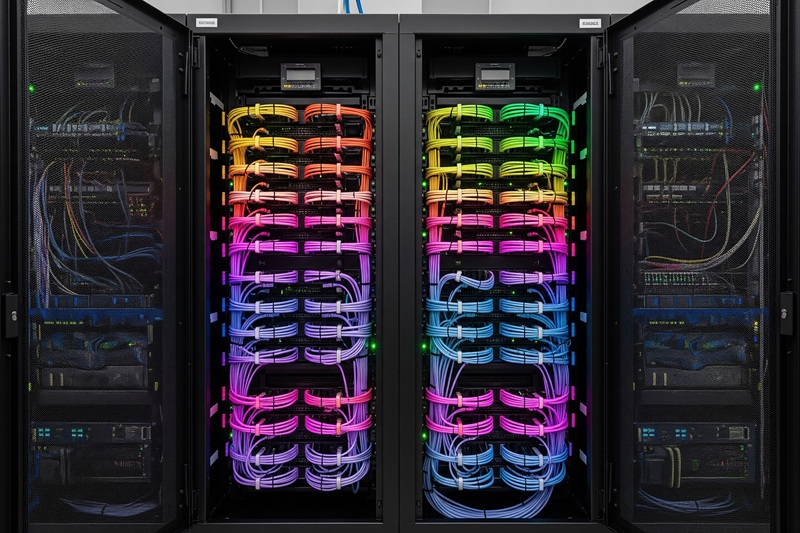
• Centralized Network Intelligence: SDN decouples the network control plane (the decision-maker) from the data plane (the traffic-forwarder). By consolidating network management into a centralized software controller, IT teams can orchestrate, monitor, and enforce global policies across complex multi-site environments in real time.
• Elimination of Vendor Lock-In: Traditional hardware lock-in forces businesses to stick to a single, expensive vendor to prevent protocol mismatches. SDN uses open-standard protocols, commoditizing network hardware. This allows organizations to run multi-vendor environments interchangeably, dramatically reducing Capital Expenditures (CAPEX) and eliminating reliance on proprietary equipment.
________________________________________
Built for the Modern Workplace: Cloud, Virtualization, and BYOD
Modern networks no longer support static office workstations alone. SDN provides the agility required to handle today’s heavy computing demands:
1. Seamless Cloud & Virtualization Support: Dynamic enterprise workloads—such as hybrid cloud environments and server virtualization—require on-demand network provisioning. SDN allows automated resource allocation without manual re-cabling or switch reconfiguration.
2. Dynamic BYOD Security: As smartphones, tablets, and remote laptops flood corporate environments under Bring Your Own Device (BYOD) frameworks, SDN controllers automatically segment guest, corporate, and sensitive traffic based on user identity and endpoint posture.
3. Future-Proof Scalability: Decoupling hardware from policy management ensures your digital foundation can absorb emerging high-bandwidth technologies, automated zero-trust protocols, and hybrid cloud migrations over the next decade.
________________________________________
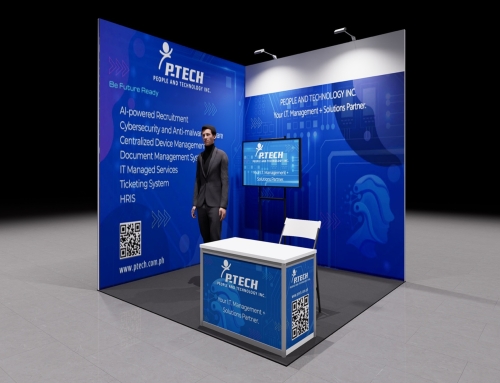
Build an Agile Network Infrastructure with P-Tech
Transitioning from legacy hardware to a programmable, software-defined ecosystem requires rigorous network architecture and validation.
At P-Tech People and Technology Inc., our certified Systems Administrators and Network Engineers design, deploy, and manage vendor-agnostic network environments aligned with international ITIL standard practices. Whether you are looking to simplify multi-office routing, deploy hybrid cloud networks, or enhance endpoint security, our team delivers complete architectural oversight.
👉 Contact the P-Tech Network Engineering Team to assess your existing network readiness and request a tailored infrastructure consultation.
👉 Explore our full Managed Services Offerings to discover how our 8×5 and 24×7 engineers maintain peak network availability across your enterprise.